Fase 1: come lo ha imparato
University degree, master's degree, doctoral studies and academic research.
Built a strong scientific and engineering foundation, applied through university teaching in the bioelectronics department.
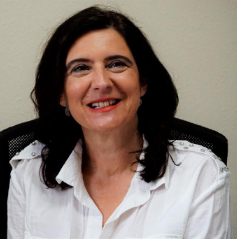
A biomedical engineer who now applies precision engineering principles to environmental health — proof that healing people and healing the planet can be the same job.
Fase 1: come lo ha imparato
University degree, master's degree, doctoral studies and academic research.
Built a strong scientific and engineering foundation, applied through university teaching in the bioelectronics department.
Fase 2: competenze acquisite
Early years working as a university lecturer, researcher and project manager in bioelectronics and biomedical engineering.
Developed the skills to connect academia with industry and translate scientific knowledge into practical solutions that improved patients' quality of life.
Fase 3: come lo ha imparato
Started leading green tech projects five years ago, applying previous engineering expertise to environmental challenges.
Successfully transferred biomedical engineering know-how to the green tech sector by developing projects focused on environmental health and circular processes.
Fase 4: come lo ha imparato
Participation in international congresses, networking, and intellectual property training.
Designs environmentally responsible technological solutions, optimises biotechnology processes to reduce carbon footprints, and develops innovations combining technical efficiency with environmental sustainability.
Fase 5: come lo ha imparato
Experience leading several innovation projects, research and international collaboration.
Adapts academic research to meet market demands and promotes sustainable innovation in biomedicine and environmental health through knowledge transfer.

Finanziato dall'Unione Europea. Tuttavia, le opinioni e i pareri espressi sono esclusivamente quelli dell'autore o degli autori e non riflettono necessariamente quelli dell'Unione Europea o dell'Agenzia esecutiva europea per l'istruzione e la cultura (EACEA). Né l'Unione Europea né l'EACEA possono essere ritenute responsabili per essi.