Stufe 1: Wie sie es gelernt hat
Formal education and professional experience as a Biology teacher.
Established a scientific foundation and the ability to communicate environmental concepts to students of different ages.
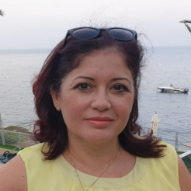
A biology teacher who spotted a gap for sustainability in schools — now supporting schools across Malta and Gozo to hit their sustainability targets, 16 years and a PhD later.
Stufe 1: Wie sie es gelernt hat
Formal education and professional experience as a Biology teacher.
Established a scientific foundation and the ability to communicate environmental concepts to students of different ages.
Stufe 2: Erworbene Fähigkeiten
Master's degree in the field, followed by joining the EkoSkola programme within Malta's Education Directorate in 2010.
Transitioned into environmental education and began supporting schools in integrating sustainability into their educational activities and practices.
Stufe 3: Wie sie es gelernt hat
Managing sustainability initiatives including a 3-year EU project across 50 Maltese schools, building school-council partnerships, and developing an Active and Sustainable Mobility campaign.
Strengthened cooperation between schools, local councils and communities, with participating schools continuing sustainability work well after project funding ended.
Stufe 4: wie sie es gelernt hat
PhD studies undertaken part-time over approximately six years, alongside continued mentoring and supervision.
Strengthened her expertise and opened further pathways for professional development within the sustainability/education field.
Stufe 5: Wie sie es gelernt hat
16 years of professional experience, research, mentoring and continuous learning, including the use of AI and language-learning tools.
Supports schools in Malta and Gozo in reaching sustainability targets and promotes approaches that encourage students to critically assess environmental issues and take positive action.
Finanziert von der Europäischen Union. Die geäußerten Ansichten und Meinungen entsprechen jedoch ausschließlich denen des Autors bzw. der Autoren und spiegeln nicht notwendigerweise die der Europäischen Union oder der Europäischen Exekutivagentur für Bildung und Kultur (EACEA) wider. Weder die Europäische Union noch die EACEA können dafür verantwortlich gemacht werden.